

 Key Takeaways
- They work in Canberra winters
The ACT Government says modern hot water heat pumps work well in the ACT's cold climate. Choose a model rated for cold climates that keeps heating below zero, so the backup element rarely has to do the work.
- Lower running costs, higher upfront price
ACT Government advice is that heat pumps use 55 to 80% less energy than standard electric storage or gas systems. They cost more to buy, and the installed price depends on the unit, the site and the electrical work, so get a fixed-price quote after an inspection.
- The electrical side matters
A heat pump needs a suitable circuit, safety switch protection and room on your switchboard. A timer set to the warmest part of the day, ideally running off rooftop solar, gets the most out of it.
- Check ACT support before you buy
The Sustainable Household Scheme offers loans for hot water heat pumps, and eligible concession card holders can apply for a Home Energy Support rebate of 50% of the cost, up to $2,500.
Yes, heat pump hot water works in Canberra, including through frosty winters. The ACT Government’s own advice is that hot water heat pumps “have evolved significantly over the last 10 years and work well, even in the ACT’s cold climate”, and that good quality systems are the lowest running cost option for the ACT, using 55 to 80% less energy than standard electric storage or gas (ACT Government, hot water). The catch is choosing a model built for cold climates and setting it up properly.
A heat pump costs more to buy than a basic electric or gas tank, and the installed price depends on the unit, where it goes and how much electrical work your home needs. We give a free fixed-price quote after looking at the job. ACT loans, and rebates for eligible concession card holders, can bring the cost down. This guide covers how heat pumps cope with the cold, the electrical work involved, running costs against gas and electric storage, what affects the installed price, and the ACT support available. If you are ready to book, our heating and cooling page shows how we handle heat pump installs.
How does a heat pump hot water system work?
A heat pump works like a fridge in reverse. A fan draws outside air over a coil filled with refrigerant, the refrigerant absorbs heat from that air, and a compressor concentrates it and passes it into the water in the tank. Because it moves heat rather than making it from scratch with an element, it uses a fraction of the electricity of an old electric storage tank.
Most units sold for homes are either all-in-one (the compressor sits on top of the tank) or split (a separate outdoor unit, a bit like an air conditioner, piped to the tank). Split systems let you put the noisier part where it bothers no one.
Do heat pumps work in Canberra’s cold winters?
They do, but the model matters. A heat pump draws heat from the air, so on a frosty morning it has less to work with and takes longer to heat a full tank. Below a certain temperature, many units switch to a backup electric element, which costs more to run.
That is why the ACT Government’s Home Energy Support rules for hot water heat pumps require eligible models to run down to at least minus 5 degrees on the heat pump alone, and to be rated for cold (zone 5) climates. Even if you are not applying for that rebate, it is a sensible benchmark for any Canberra home.
A few practical points help in winter:
- Location. Put the unit where it gets good airflow and, ideally, some sun. A cramped side passage or a shaded corner makes it work harder.
- Timing. Set the timer to run in the warmest part of the day, usually late morning to mid afternoon, rather than overnight when it is coldest.
- Tank size. A slightly larger tank gives you a buffer for cold snaps and visitors.
- Noise. You are responsible for noise at your boundary, so keep the unit away from bedroom windows, yours and the neighbours’.
What electrical work does a heat pump need?
This is the part people often forget to budget for. Fitting a heat pump is a plumbing job and an electrical job, and the electrical side decides how well it runs.
A suitable circuit with safety switch protection
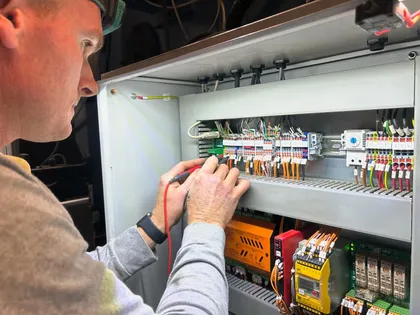
A heat pump needs its own circuit from the switchboard, with RCD (safety switch) protection. If you are replacing an old electric tank, the existing hot water circuit can sometimes be reused, but it needs to be checked and may need a new cable or protection device. If you are replacing gas, there is often no circuit at all and a new one has to be run.
Room on the switchboard
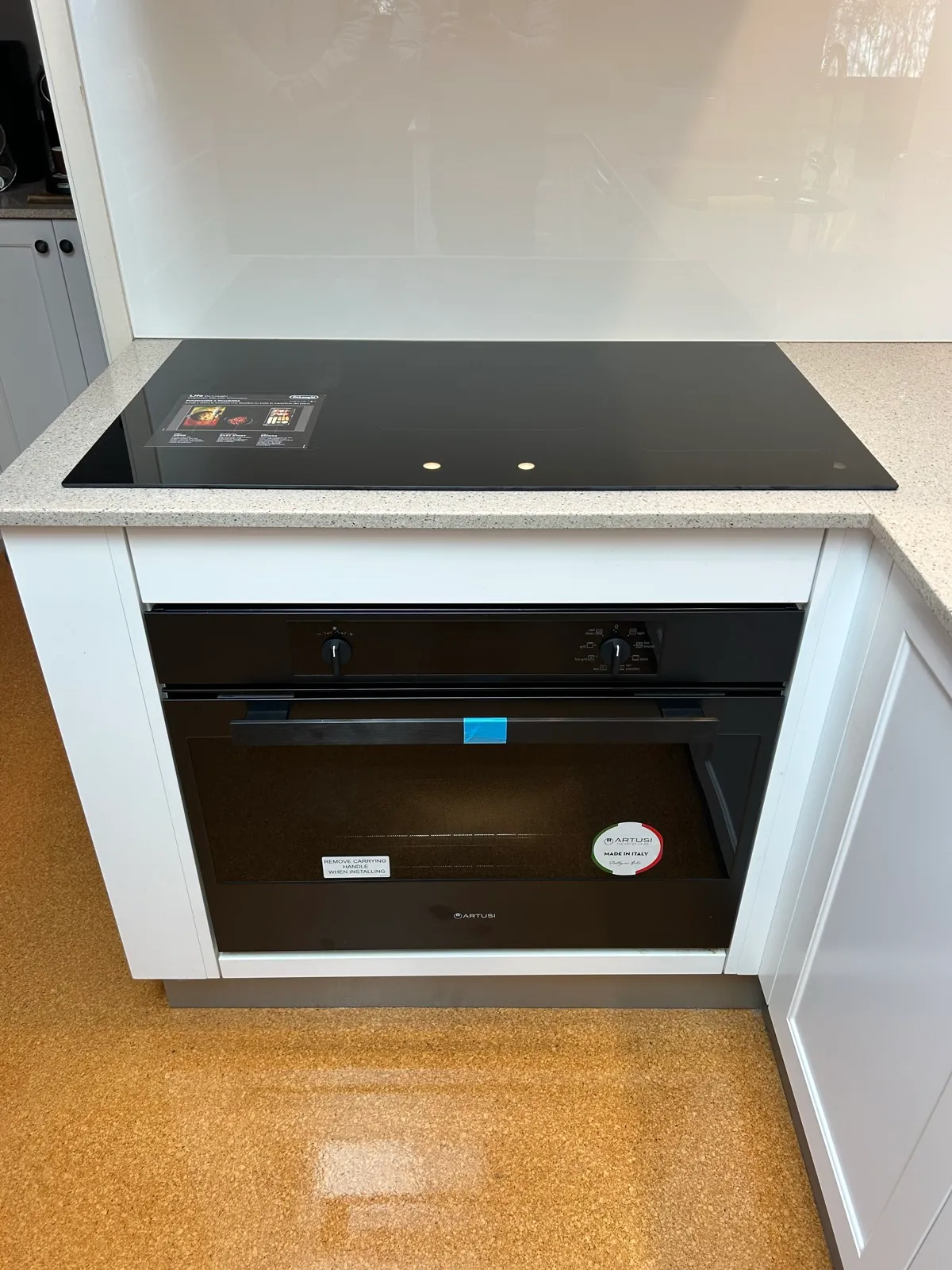
Older Canberra boards are often full, or still have ceramic fuses. If there is no space or the board cannot be made compliant, the hot water job can trigger a board upgrade. Our guide to switchboard upgrade costs in Canberra explains when that happens and what it involves. If you are planning other electric upgrades, such as induction cooking, split systems or an EV charger, it pays to plan the board once for all of them.
Off-peak, timers and solar
Many older electric tanks run on an overnight off-peak circuit. Evoenergy’s network tariffs still include off-peak controlled load options with an overnight window between 10pm and 7am (Evoenergy schedule of network charges), though some are closed to new customers. For a heat pump in Canberra, the night is the coldest time to run it. If you have rooftop solar, running it on a timer through the middle of the day usually makes more sense, because it heats the water with your own power when the air is warmest. Check your retailer’s plans before deciding, and we can wire it to suit either way.
What does a heat pump cost to run vs gas and electric storage?
Running costs depend on your household size, tariff and whether you have solar. The ACT Government’s guidance is that a good quality heat pump uses 55 to 80% less energy than a standard electric storage or gas system, and is the lowest running cost option for the ACT climate (ACT Government, hot water).
What you actually save comes down to a few things:
- How much hot water you use. A family of five with teenagers saves far more than a couple, simply because there is more water to heat.
- What you are replacing. Moving off an old electric element tank gives the biggest drop in power use. Moving off gas also removes the gas daily supply charge if hot water is your last gas appliance.
- When it runs. A heat pump running through the middle of the day on your own solar costs very little to run. One running overnight on grid power still saves, but less.
Upfront, heat pumps cost more than a like-for-like electric or gas tank. The gap usually closes over the life of the system through lower bills, and faster if the heat pump runs off your solar.
What affects the installed price of a heat pump?
We would rather give you a firm number for your home than a range that may not fit it, so we quote at a fixed price after looking at the job. These are the things that move the price:
- The unit. Tank size, brand, warranty length and cold-climate performance all matter. A model that keeps heating below zero without leaning on its backup element usually costs more, and is worth it in Canberra.
- All-in-one or split. A split system has a separate outdoor unit and more pipework and wiring between the parts.
- Where it goes. Putting the new unit where the old tank was is the simplest job. Moving it to a better spot for airflow, sun or noise means longer pipe and cable runs.
- What you are replacing. Swapping out an electric tank often lets us reuse or upgrade the existing circuit. Replacing gas usually means running a new circuit from the switchboard, and the gas line has to be capped by a licensed gasfitter.
- Your switchboard. If the board is full, has ceramic fuses or lacks safety switches, it may need work before the heat pump can go in.
- Access and base. A tight side passage, steps or a new concrete pad or slab for the unit add time.
- Rebates, certificates and loans. Federal certificates are normally taken off the price by the supplier, and ACT rebates or loans (below) can reduce or spread what you pay.
Send us a photo of your current system, where it sits and your switchboard, and we can come out, look at the job and give you a free fixed-price quote.
There is also a gas angle specific to Canberra. The ACT has prevented new gas network connections since 8 December 2023 as part of its plan to reach net zero by 2045. Existing homes can keep their gas, but if hot water is your last gas appliance, switching to a heat pump means you can close the gas account and stop paying its daily supply charge.
What ACT rebates and loans are available for heat pumps?
Schemes change, so check the current rules on the ACT Government pages before you commit. As of October 2026:
- Sustainable Household Scheme. Eligible homeowners can borrow $2,000 to $20,000 at 3% interest, repaid over up to 10 years, for products including hot water heat pumps and their installation. Previous participants are capped at $15,000 over the life of the scheme, and you need to attend a free one-hour workshop (Sustainable Household Scheme).
- Home Energy Support Program. Homeowners with a Pensioner Concession Card, DVA Gold Card or Health Care Card can get a rebate of 50% of the supply and install cost of a hot water heat pump, up to $2,500, within a $5,000 total across eligible products. Property value limits apply and you must attend a workshop. Approved households can also get a zero-interest loan of up to $10,000 (Home Energy Support rebates).
- Federal certificates. Heat pumps also attract small-scale technology certificates under the federal Small-scale Renewable Energy Scheme, which are normally taken off the price by the supplier.
Is a heat pump right for your home?
A heat pump usually makes sense if your electric tank is getting old, if you want to get off gas, or if you have solar and use little of it during the day. It may be less urgent if your current system is fairly new and working well, in which case planning the switch for when it fails is reasonable. Just do not leave it until the old tank bursts in July, when you will be tempted to take whatever is in stock.
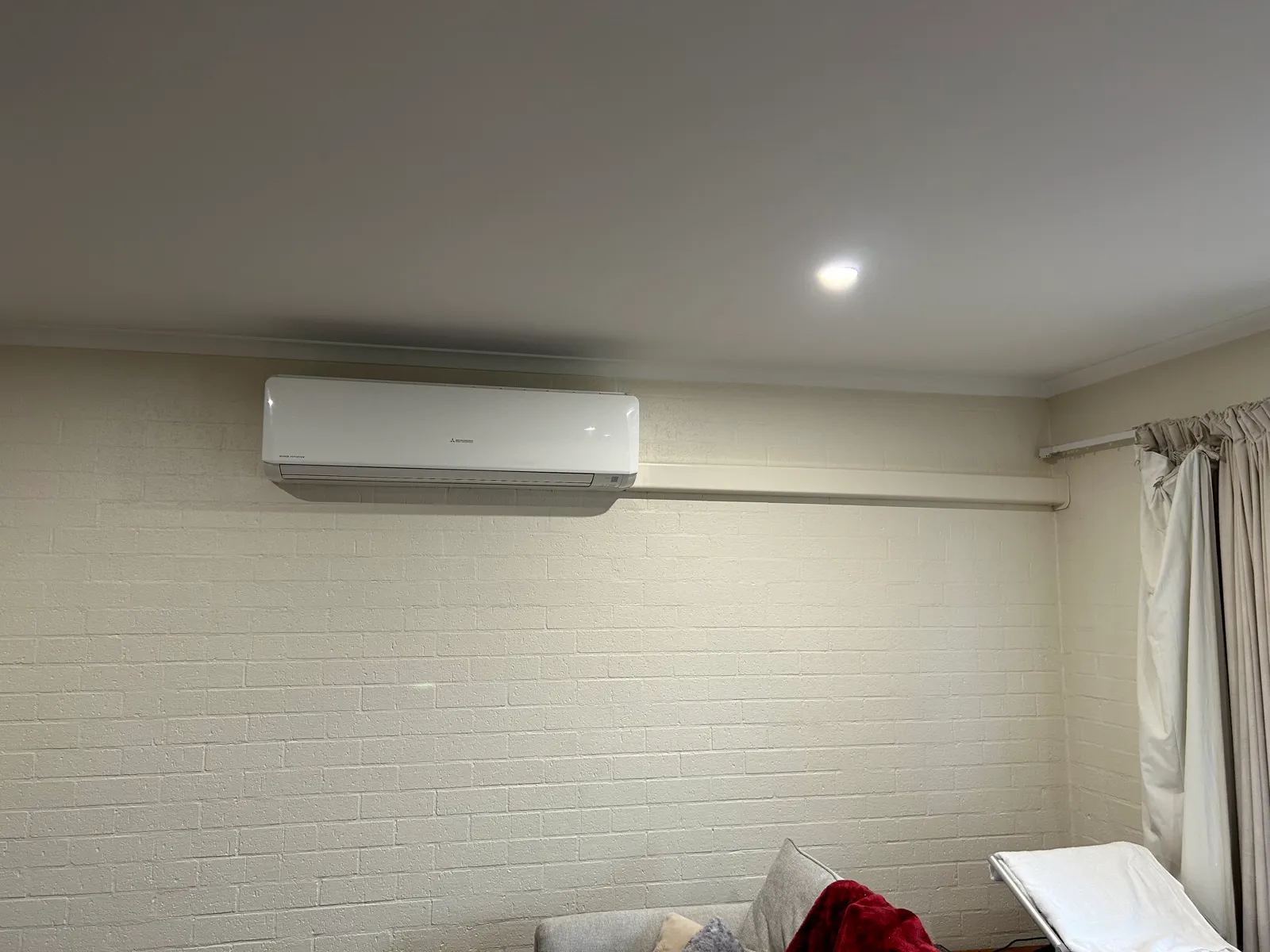
If you are thinking about heat pump hot water alongside split systems or other electric heating, our heating and cooling page covers the full range of work we do. Send us a photo of your current hot water system and switchboard with your quote request and we can tell you what the electrical side will involve before we visit.
Frequently asked questions
At what temperature does a heat pump stop heating?
It depends on the model. Below a certain temperature, many units switch to a backup electric element, which costs more to run. The ACT Home Energy Support rules require models that run down to at least minus 5 degrees on the heat pump alone and are rated for cold (zone 5) climates, which is a sensible benchmark for any Canberra home.
When should a heat pump run in a Canberra winter?
Set the timer for the warmest part of the day, usually late morning to mid afternoon, rather than overnight when it is coldest. If you have rooftop solar, that also means the water is heated with your own power.
Are heat pump hot water systems noisy?
They have a fan and a compressor, so they make some noise while running. You are responsible for noise at your boundary, so keep the unit away from bedroom windows, yours and the neighbours'. A split system lets you put the noisier outdoor part where it bothers no one.
Do I need an electrician and a plumber for a heat pump?
Yes. Fitting a heat pump is a plumbing job and an electrical job. The electrical side covers a suitable circuit with safety switch protection, room on the switchboard and the timer setup. If you are replacing gas, a licensed gasfitter also has to cap the gas line.
Can I get a rebate for a heat pump in the ACT?
Eligible concession card holders who own and live in their home can apply for a Home Energy Support rebate of 50% of the supply and install cost, up to $2,500. Eligible homeowners can also borrow $2,000 to $20,000 at 3% through the Sustainable Household Scheme. Schemes change, so check the ACT Government pages before you commit.
Can I still get a new gas connection for hot water in Canberra?
No. The ACT has prevented new gas network connections since 8 December 2023. Existing homes can keep their gas, but if hot water is your last gas appliance, switching to a heat pump lets you close the gas account and stop paying its daily supply charge.
Conclusion
A heat pump is one of the most practical electrification upgrades for a Canberra home. Pick a cold-climate model, put it somewhere with good airflow, set the timer for the warm part of the day and check what ACT support you qualify for before you sign anything. The installed price depends on the unit you choose, where it goes and what your switchboard needs, and the electrical side (circuit, safety switch and switchboard space) is a big part of getting it right. Fused Electrical Co is a family owned and run Canberra business, licensed and insured, and we give fixed-price quotes and reply within 24 hours. Call us on 0434 913 935 or request your free quote online today.
Published Date:
Link copied!
Talk to a licensed Canberra electrician.
Family owned, rated 5.0 from 163 Google reviews. Serving Canberra, the ACT and Queanbeyan.
Article Sources / Publishing Guidelines
Sources
- climatechoices.act.gov.au · hot water
- climatechoices.act.gov.au · home energy support rebates for homeowners
- climatechoices.act.gov.au · hot water heat pumps
- climatechoices.act.gov.au · shs
- climatechoices.act.gov.au · preventing new gas network connections
- evoenergy.com.au · Evoenergy 2025 26 Schedule of Charges incl LFiT May 2025
At Fused Electrical Co, we are committed to publishing content that is accurate, trustworthy, and useful for our readers. To maintain these standards, we follow a rigorous process:
- All content is crafted to be clear, helpful, and regularly updated.
- We adhere to strict practices, including:
Editorial Guidelines
Fact-Check Content
Vet Expert Sources
Content Creation Process - If you have any questions, concerns, or if you’ve found an error in our content, please contact us.